

Traveling by train in Germany’s railway network, the Deutsche Bahn, is a great option for business travelers seeing as it’s easy, fast and a comfortable and convenient way to get around the country. You’ll find high-speed trains, local or regional trains, that often go a bit slower, and night trains. What is best for your trip will depend on how fast you need to get to your meeting or event and what kind of comforts you need when traveling.
We’ll look at the ins and outs of the Deutsche Bahn for business travelers in this article — from helpful tips to how to take advantage of train travel, booking, and what to expect. Keep reading to get the insider tips.
What is the Deutsche Bahn?
Deutsche Bahn or DB is the national railway company of Germany, which is state-owned, and helps manage passenger travel within Germany. Unlike Amtrak in the US where the railroad tracks are privately owned, DB is publicly owned.
Did you know? The first train tracks were laid in 1835 with a 6 km (3.7 mi) route between Nuremberg and Fürth.
Key Deutsche Bahn routes for business travel
The main Deutsche Bahn routes are on high-speed corridors like:
- Berlin-Munich
- Hamburg-Berlin
- Frankfurt-Cologne
- Frankfurt- Munich
- Hamburg-Frankfurt
- Hamburg-Munich
Whether you’re traveling to Hamburg, Frankfurt or Munich, check out our city guides:
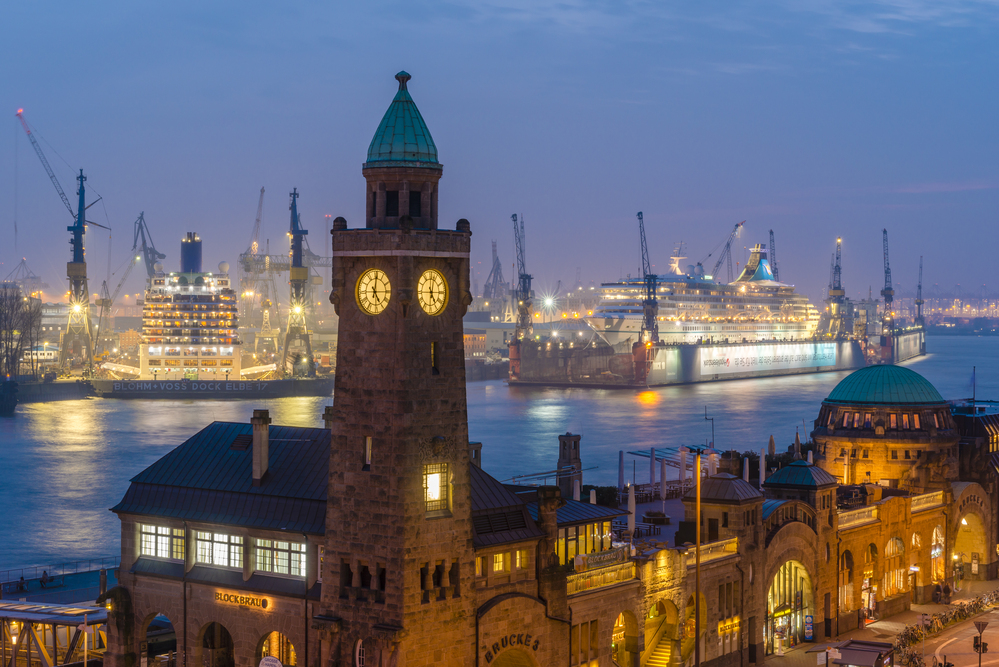
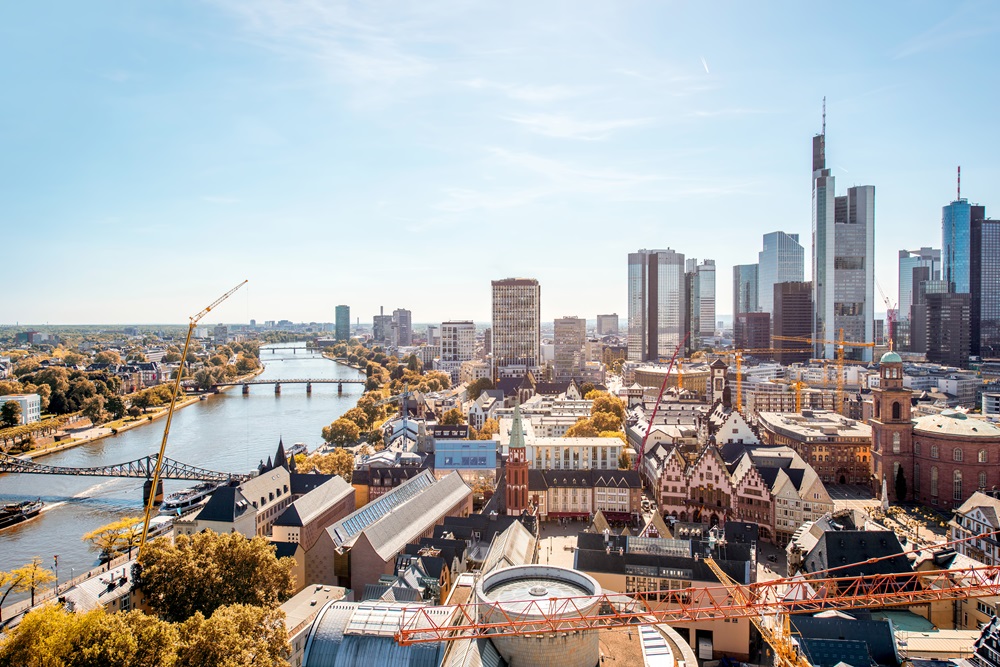
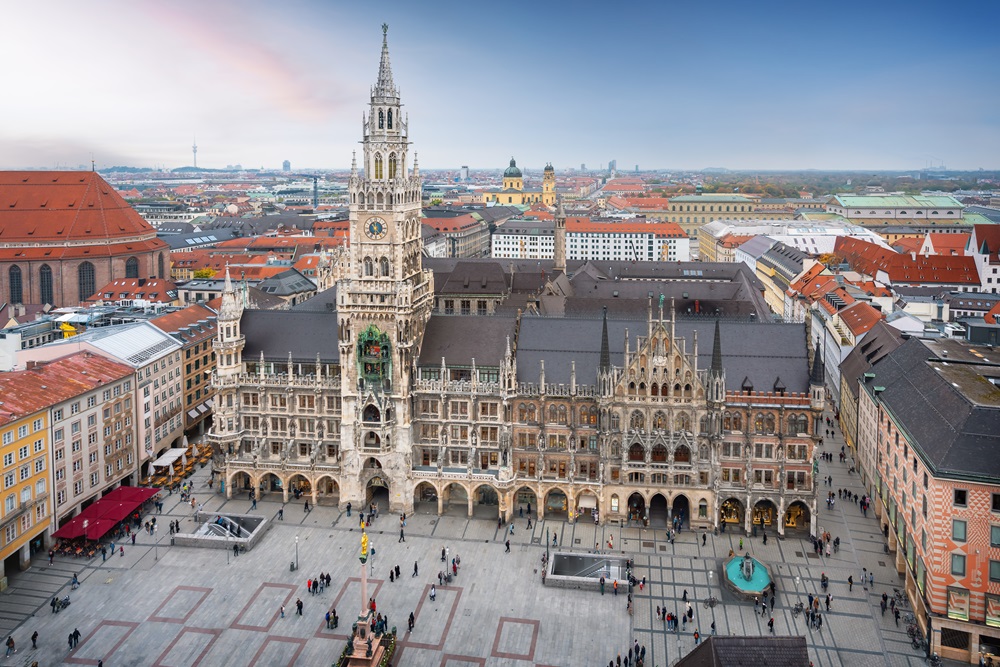
READ more
Booking and planning your Deutsche Bahn train journey
It’s a good idea to book ahead of time if you’re going to travel by train to your business meeting, conference or event. This way you’re sure to not be left without a seat, and you can also choose the seat that is most comfortable for you to work from so the time on the train can be maximized.
Check out our productivity tips for long commutes.
Whether you’re preparing for your business meeting, or getting a better idea of what are the weaknesses in the potential client and how your company can help to make a difference. If you’re going to travel by train, make sure you bring your laptop and have everything you need to make your trip a success.
If you need help booking your train journey, you can book with GetGoing all-in-one travel management platform. This way you can keep track of all your tickets in one place, and if you need to book a hotel, not have to search through tons of different apps to try to find your tickets or reservations.
Don’t have a T&E management platform yet? Book a demo to find out what GetGoing can do for you.
Types of trains
Germany’s Deutsche Bahn train system includes a range of services from high-speed to local trains.
High-speed trains
- ICE (Intercity-Express) trains are the fastest and most luxurious and connect with major cities with minimal stops like listed above. They offer modern amenities like air conditioning, Wi-Fi, in-seat power, and dining options. They are a great option for one-day business trips and are a great way to be productive while traveling for work.
- ICE Sprinter trains are even faster, with fewer stops on select routes. If you’re taking one of these routes to conduct business meetings, this is a great option.
- IC (InterCity) trains are slightly slower and older, with fewer amenities and more frequent stops.
- EC (EuroCity) trains operate internationally with varying comfort levels depending on the country’s rail provider.
Regional trains
- For regional travel, IRE (Interregio-Express) and RE (Regional-Express) trains cover longer distances with limited amenities.
- RB (Regionalbahn) trains stop at every station and are the most basic and affordable.
- S-Bahn trains function like city metros, running frequently within urban areas. Though Deutsche Bahn offers some overnight trains, true sleeper services are typically operated by partner companies.
Understanding Deutsche Bahn tickets – What to book and when
In Germany, train ticket prices are dependent on the type of train and how early you book. High-speed trains like ICE, IC, and EC have a dynamic pricing model, meaning the earlier you book, the cheaper the fare. On the other hand, regional trains have fixed prices and can be booked easily on the same day of travel.
For long-distance trains, there are three main fare types:
- Super Sparpreis – cheaper, but non-refundable and tied to a specific train
- Sparpreis – slightly more flexible with a small cancellation fee and includes a City-Ticket for local transport if the journey is over 100 km
- Flexpreis – the most expensive but fully flexible, allowing travel on any train that day and offering full refunds before the travel date.
All fares are available in both 2nd and 1st class. 2nd class offers basic comfort with limited Wi-Fi and no seat reservation included, while 1st class provides more space, quieter coaches, in-seat service, and lounge access (except with Super Sparpreis).
Final tips for traveling with the Deutsche Bahn
When deciding whether to travel by train or plane, it’s good to have an idea in mind of what you are trying to achieve and your business trip agenda. If you have a quick one-day meeting within Germany, going by fast train is without a doubt the best option because it allows you to be productive while you travel and at the same time, it is a more sustainable option.
No matter what you decide, GetGoing can be your best business travel helper to make the most of your trip and to book seamlessly.