
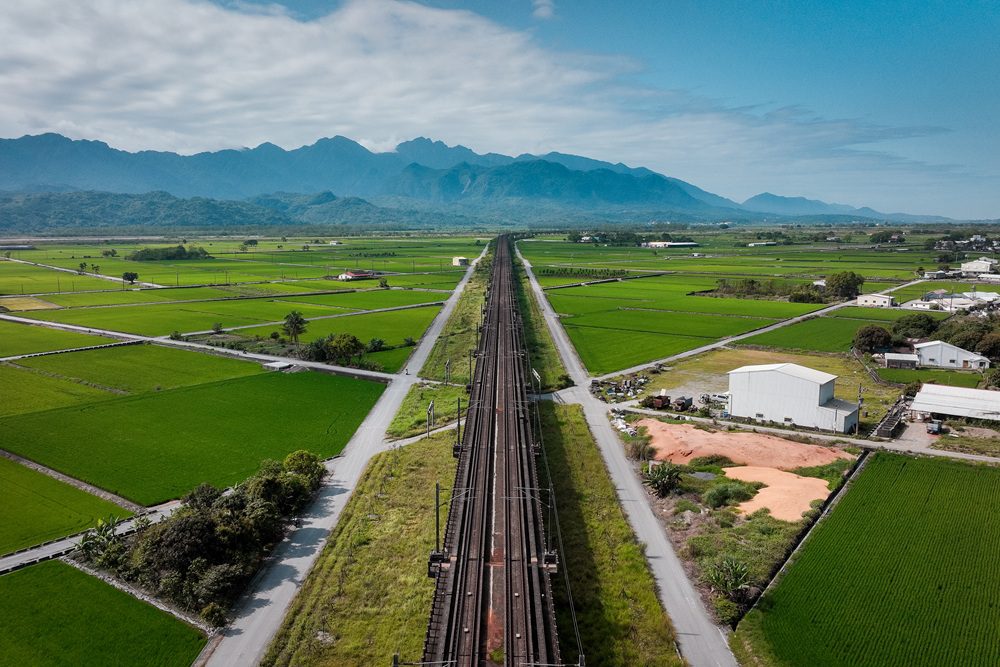
Traveling for work in Europe and wondering the best way to get from point A to point B? It’s not always easy to choose between train vs. plane. Generally people tend to think that flying is faster and cheaper. A one‑hour flight can seem like an easy win compared to a three, or four hour train journey. But in reality, the choice isn’t just about flight time or ticket price.
Europe is unique when it comes to travel. Many major cities are close together and connected by fast, reliable train networks that run straight from city center to city center. That means no long airport transfers, no early check‑ins, and far less waiting around. By the time you factor in security checks, boarding, delays, and getting from the airport to your final destination, what might seem like a short flight can easily take half a day (and may involve waking up at the wee hours of the morning).
As companies pay closer attention to travel costs, employee productivity, and sustainability, understanding the best travel choice is fundamental. After all, a journey that allows employees to work comfortably, arrive less stressed, and produce fewer emissions can matter just as much as the price on the ticket.
So when does it actually make sense to take the train instead of the plane in Europe? And when is flying still the better option? In this article, we compare train and plane travel across key factors like door‑to‑door time, total cost, productivity, comfort, and carbon footprint — so businesses and travellers can make smarter travel decisions, not just faster ones.
Travel time
Travel time doesn’t mean just flight time but rather how long the trip takes door‑to‑door.
The total journey ≠ flight duration.
In fact, there’s a lot to consider:
Time spent getting to and from the airport and in the airport – Think airport transfers, security, boarding, baggage claim, transportation from the airport to your hotel.
VS
Time spent getting to and from the train station – fewer checks, faster boarding, and train stations are usually centrally located
- Trains usually beat trains on time when routes are under ~800–1,000 km (500- 650 miles). Flying still makes sense for long distances, when going to islands, and when rail connections are limited or you have to do several connections, losing time.
- For distances under 600 km, rail often wins on door‑to‑door time, thanks to central stations and the absence of airport queues and early check‑ins. You can take off an average 60-90 minutes of overhead on each end.
Example routes where train is a great idea due to fast trains being available:
- Paris–London
- Madrid–Barcelona
- Amsterdam–Paris
Cost comparison: Ticket price vs total cost
You log in to GetGoing and see a flight on easyJet for €100. You think “how affordable.” But then when you start going through the booking process, you must consider all the extras: baggage, seat selection, airport transfer (to and from the airport). You then try finding a train for the same dates, same destinations and while at first glance it may seem more expensive, but you must keep in mind several factors. For trains there are no hidden fees, there are no airport taxes or fees.
Train tickets have fewer hidden fees, and include baggage, seat selection, and city-center-to-city-center travel. While they can cost more than flights, when factoring in baggage fees and travel-to-airport costs, they can often result cheaper. On the other hand, low-cost flights offer a lower base price that excludes baggage, seat selection, and airport transfers. If you are going on a fast business trip without any baggage, then taking a flight might not be a bad option either.
The cheapest ticket ≠ lowest business travel cost.
Productivity & comfort: Working while you travel
When it comes to business travel, being productive on long trips means taking advantage of the “dead time” to work and be productive. Trains provide a more spacious option to work, usually have Wi-Fi and tables to work comfortably from. While working on the plane is also possible, it may not be the most comfortable choice. While it’s certainly possible to work from the plane, lack of legroom, lack of power supply to plug in your devices, and sometimes lack of Wi-Fi can make working from the plane a challenge. The good news is that airports tend to have work spaces (unlike train stations) making it possible to take advantage of the time spent waiting to board and in-between time.
A survey by the Global Business Travel Association found that business travelers found 78 percent of train time to be “productive” compared to 39 percent of flight time.
Train vs plane carbon footprint
Traveling by train vs plane when it comes to carbon footprint, makes a huge difference. One clear example is traveling from London to Paris for business. By train, the carbon output is just 6 kg of CO₂ per passenger compared to 122 kg by plane. As sustainability reporting becomes a must in Europe under frameworks like CRSD and SEC, favoring rail is not just about comfort, but also a must to limit emissions inventories.
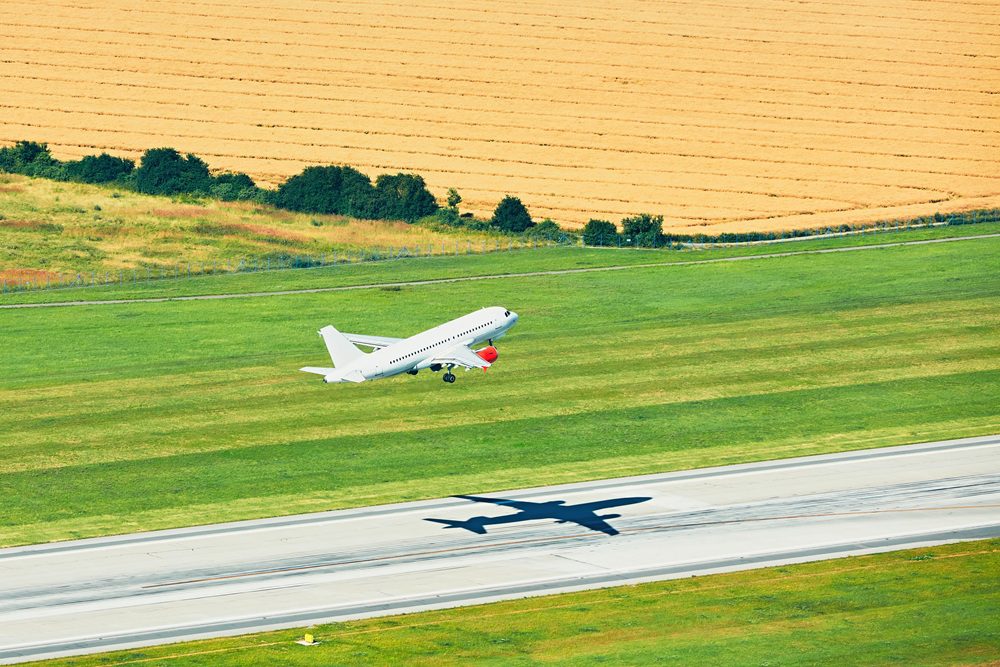
“Business travel accounts for roughly 2.5% of global CO₂ emissions, and aviation alone contributes to approximately 2.4 percent of all energy-related carbon output” (Sustainable Atlas).
Key sustainability facts train vs plane
*Statistics from the Sustainability Atlas.
- Average CO₂ emissions for electric high-speed rail – 14 g CO₂e/pkm
- Average CO₂ emissions for diesel intercity rail – 44 g CO₂e/pkm
- Average CO₂ emissions for short-haul aviation – 246 g CO₂e/pkm

learn more
Convenience & experience
For many European routes, trains offer a simpler and smoother travel experience. Most train stations are located in the center center, making it easier to get to meetings, hotels, or offices without extra transfers. Flying often involves travelling to out‑of‑town airports, arriving early, and navigating multiple checkpoints.
Train boarding is also far more flexible. Travellers can arrive shortly before departure, avoid long security lines, and skip strict luggage rules. Onboard, trains usually provide more space, the freedom to move around, and a calmer environment overall.
When does flying still make sense?
Flying still makes sense for long distances, island routes, or where rail connections are limited. But for short and mid‑range trips in Europe, trains are often more convenient not because they’re faster in theory, but because they’re easier in practice.
Other possibilities where flying makes more sense:
- Long cross‑continental routes
- Island destinations
- Poor or slow rail connections
- Tight schedules where rail isn’t competitive
What this means for business travel policies
As companies look to better manage travel spend, employee wellbeing, and emissions, many travel policies will encourage prioritizing rail for short and mid‑range European trips. This can be due to more predictable costs, greater productivity, and a smoother travel experience. These reasons can matter just as much as ticket price.
Prioritizing rail can also improve traveler satisfaction. Fewer delays, easier journeys, and the ability to work en route help employees arrive less stressed and more ready to perform. At the same time, choosing rail helps support sustainability goals without forcing employees to make choices that are inconvenient.
The challenge is comparison. Weighing time, cost, emissions, and productivity manually isn’t realistic for busy teams. Smarter booking tools (like GetGoing) make these trade‑offs visible upfront, helping companies guide better decisions without adding complexity.
So, train or plane?
There’s no one‑size‑fits‑all answer to train vs plane travel in Europe. Flights still make sense for long distances and harder‑to‑reach destinations. But for short and mid‑range routes, trains often come out ahead once you look beyond flight time alone.
The smartest choice depends on total travel time, overall cost, sustainability impact, and how productive travelers can be along the way. By focusing on the full picture – not just the cheapest or fastest option – businesses and travelers can make better decisions that work for everyone.
The right travel choice shouldn’t take extra time. Discover how teams can compare trains and flights instantly, without extra work.