

Travel burnout is real. Catching a plane in the wee hours of the morning can be stressful and can lead to interrupted sleep and disrupted routines, while being away from family and friends for extended periods of time can negatively impact your emotional wellbeing. Avoiding burnout means balancing the reality of frequent business travel with intentional habits that keep traveling for work from overshadowing the rest of your life.
For travel managers and business admins having burned out travelers is counterproductive as they will be less productive and their wellbeing will be at stake. This is why it’s so important to have an effective travel program that can mitigate the impact of frequent travel on traveler health and wellbeing. This guide will look at practical strategies to prevent burnout.
What is travel burnout for business travelers?
Travel burnout is a state caused by frequent travel that leads to physical, mental and/or emotional exhaustion. In this case, the original excitement of traveling for work turns into fatigue, apathy at work, lack of productivity and motivation. Unlike jetlag, which can be mitigated by getting a good night’s sleep and slowly adapting to the new time zone, travel burnout requires a break from traveling for work to recover.
- Physical symptoms: Exhaustion, sleep disruption and compromised immunity.
- Emotional symptoms: Irritability, detachment and the sense of being overwhelmed at work because you get the feeling you never have time to catch up.
- Behavioral symptoms: Reduced productivity, poor problem-solving, oversleeping.
What can a travel manager or admin do? Find ways to recognize the signs of travel burnout before it becomes a problem. This will help reduce the possibility of travel disruptions and ensure the ROI of the travel program.
BEFORE BUSINESS TRIP
Pre-travel strategies for travel burnout
- Build buffers into your schedule so that you have a few days on the ground to recover before hitting the road again. This means avoiding back-to-back trips too.
- Optimize packing to reduce stress – keep a packing list and keep your toiletries together so it’s just a matter of choosing your favorite business travel outfits and packing your laptop, plugs and cables before hitting the road.
- Pre-book aisle seats and those with extra leg room so you’re more comfortable and less cramped. Book transfers, in-flight meals and Wi-Fi ahead of time.
Tips for travel managers when building travel policies
Design policies that reduce or prevent travel fatigue such as:
- Establish minimum rest periods
- Designate preferred hotels close to meeting locations
- Allow for flexible booking windows
- Work special add-ons or exceptions into the travel policy, especially for frequent travelers (e.g., if work from home isn’t permitted at your company, have a rule that allows for work from home the day after returning from a work trip)
DURING THE TRIP
How to optimize your business trip to avoid travel burnout
There are many ways to optimize your business trip to avoid travel burnout. Below you’ll find a list of helpful tips and tricks.
Opt for a taxi instead of public transportation
Instead of public transportation (when allowed by your travel policy), take a taxi. This way you avoid so many transfers (i.e., bus or metro to train to flight). A taxi will take you from door to door, minimizing stress and the possibility of missing a bus or train on the way. Usually taking a taxi will also allow you to leave later for the airport.
Stress-reducing habits
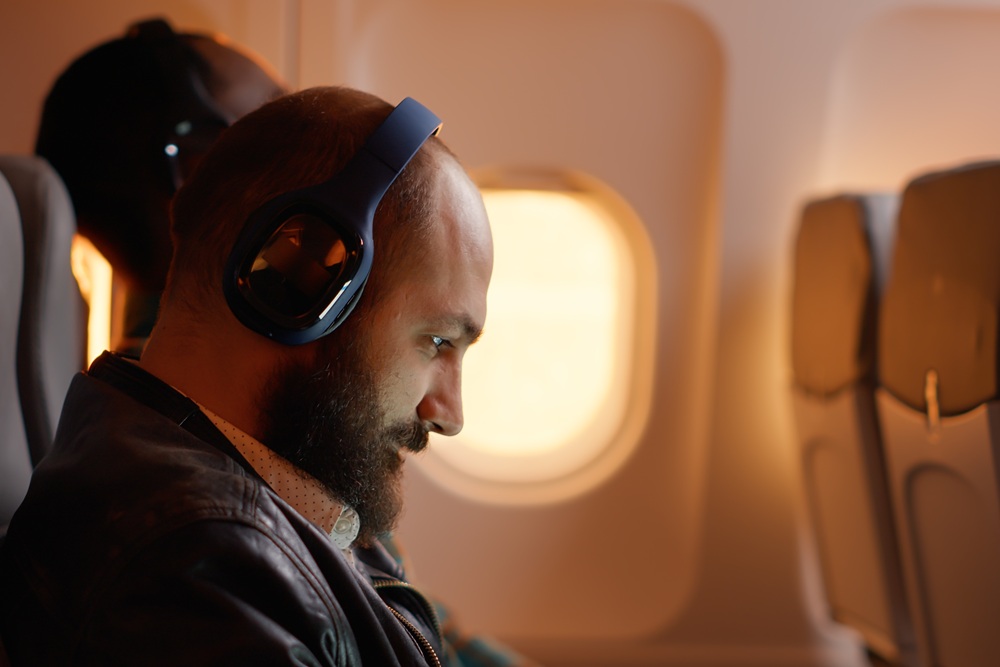
To reduce stress while traveling, put on your favorite music or podcast, or chat with a friend or family member on the way. This “lost” time will turn into a fun way to connect with loved ones or catch up on your favorite new hits on Spotify or the latest podcast. Once at the airport, make sure you have all your documents in one place and your liquids and laptop are reachable so that you can get to them quickly and easily when it comes time to go through security.

learn more
Watch what you eat and drink
Bring a refillable water bottle with you on the trip so that you can fill it up at the refill stations and stay hydrated. Consider packing your own meals so that you reduce the sensation of overeating or are more in control of what you eat and when. Sometimes when you go too long between meals, you are tempted to go to the fastest-calorie-intake-meal, which may not always be the healthiest option. By taking your own meals with you, you can also decide when to eat so that you aren’t waiting around for the meal service on the flight in order to go to bed.
Use digital tools to streamline your trip
Using digital tools like GetGoing travel management platform to manage your trip can help ensure you have the travel help you need when (and if) you need it and can keep everything organized in one app. Streamline check-in, boarding and navigation with digital boarding passes. Avoid the stress of not knowing where you’re going once you arrive at the destination by buying an eSIM or a local SIM card.
What can travel managers do? Provide a list of preferred vendors and mobile-first booking tools like GetGoing, and fast-track services to reduce transit friction.
Staying well on the road
Staying well on the road is important because you will only perform as well as you feel. Below you will find some easy tips to stay well on the road.
Establish a health and wellness routine
Whatever it is that helps you stay connected and calm, take these practices on the road with you. Something like a light stretching routine, mini exercise habits, mindful breaks, meditation or a certain routine before going to bed, can help you feel less discombobulated on the road. Consider taking essential oils like lavender with you that can help signal to your system that it’s time to relax.
Bring a dim reading light with you that allows your brain to relax at bed time with your favorite book rather than having bright white lights blaring. Stop looking at your phone 1 hour before you go to bed so that your body can slowly wind down. Set up a regular time to talk to your loved ones so that you know you have a time set aside to check in and stay connected.

Boundaries are important
It’s important to maintain a healthy work-life balance, even while traveling. Things like going to bed at a regular time, and not running back to the hotel room after dinner to catch up on work emails, is important for your sanity.
Create a travel ritual
Create small, repeatable and comforting habits that you can take on the road with you. This signals to your nervous system that you are safe and comfortable so your cortisol levels don’t rise.Whether it be listening to the same calming music before you go to bed, doing a short calming breathing exercise before you go to bed, bringing the same tea bag with you that you drink before going to bed, fully unpacking the same items (toothbrush, sleep mask, clothes), or bringing your house slippers with you. These can serve as tiny moments that give a sense of normality and help relax your nervous system, which is incredibly important when you travel often for work.
AFTER THE BUSINESS TRIP
Recovering post-business trip
When you head home after a business trip, it’s important to find a way to reset and relax. Instead of arriving and immediately having to cook, why not order some food from the cab on the way home? Create a re-entry routine like: jumping into a warm shower, putting on your pajamas, eating your take-in meal and keeping a water bottle near you to stay hydrated.
If you have the possibility to work from home the day after coming back from a trip, do that. This way you can slowly catch up on emails while you also unpack and put some laundry in, avoiding pile-up. Better yet, take a day off between coming back from a business trip and going back to the office. This way you can slowly settle in and recover.
Travel managers can consider including post-trip rest periods in the travel policy. This will help avoid errors due to travel fatigue and support traveler wellbeing.
How technology can reduce travel fatigue
Modern travel tools like GetGoing can help automate administrative tasks and processes taking away from the burden on travelers. Technology can also reduce mental load by consolidating everything in one place, on one single platform. Using smart alerts, auto-check-ins and booking in an all-in-one platform can reduce friction and administrative time spent on booking trips so travelers can focus on producing results.
Avoiding travel burnout is essential for a business traveler’s health, performance and to keep the joy of traveling alive. Travel managers can help support traveler wellbeing with a robust travel policy designed to help travelers reduce stress.
