

In corporate travel, last-minute bookings are trips that are booked close to the departure date and outside the recommended or required number of days before a departure. Typically, these go against the standard booking rules policy and depending on the travel policy, may require additional approval due to generally increased costs.
This article will show practical ways to reduce last-minute bookings easily without making travel more difficult for employees. We’ll look at actions your company can take to make it so these types of bookings don’t break the bank and keep you in control. Of course, sometimes last-minute bookings sometimes can’t be avoided, so we’ll also look at policy levers, process fixes and platform features that can help prevent late bookings without sacrificing the traveler experience.
What is considered a “last‑minute” booking in corporate travel?
“Last-minute” bookings are trips booked under 14 days and generally require extra approval due to policy limits. However, policies often have different booking expectations depending on whether it’s a continental or intercontinental booking. Intercontinental bookings generally require a longer booking period due to prices, as last minute international flights can be costly. The recommended point of reference is around 21 days for intercontinental trips.
Why does this matter? Defining this ideal booking window can help reduce last-minute bookings, compliance and consistency while also saving your budget.
Why last‑minute bookings happen (and what it’s costing you)
Last-minute bookings can happen but they’re not ideal because they cost you time and money, and also create stress for travelers and approvers.
The most common causes of booking lastminute
Meetings can come up last minute and priorities can also shift last minute. This is why it’s a good idea to have a general idea of meetings and the plan for the whole year so there are less surprises.
Unclear booking windows can lead to last minute approvals and last minute reservations if there is no stipulated timeframe for bookings within the travel policy.
People get busy and in terms of the work pipeline, approvals are quick, but they can easily fall to the bottom of the piled up emails and get ignored, leading to delays.
If you don’t have a clear travel policy set up, travelers might “go rogue” and book with any online booking tool or OTA. This is why it’s key to lay out the suggested booking tool within the travel policy.
The 8 keys to reducing last-minute bookings
Last-minute bookings can be cumbersome but they can also be avoided. Below we outline the tips to reduce last-minute bookings.
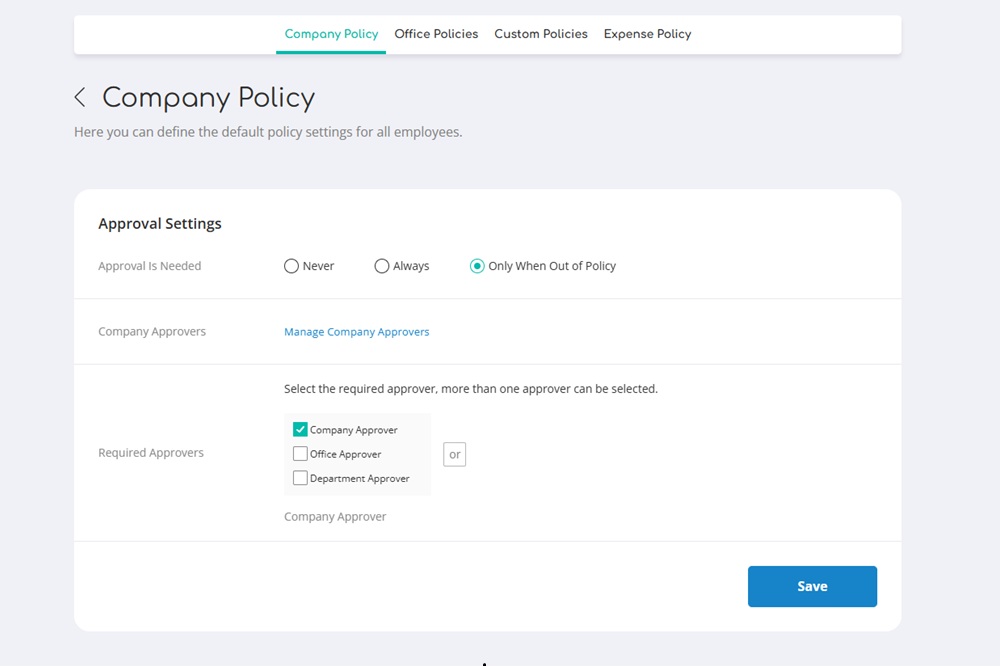
1. Set an advance booking rule that’s clear, fair, and enforceable
Write a simple rule travelers can remember. For example, “Book continental trips ≥14 days out; intercontinental ≥21 days out” or “Bookings under 14 days require pre‑trip approval” (example policy approach). Clarity is key to make the process enforceable. Be sure to leave room for unexpected circumstances.
2. Decide what happens when someone books late
Late bookings should be the exception not the rule. That’s why it’s a good idea to only allow late bookings allowed for urgent exceptions and tracked as out-of-policy. Add required justification amd approval owner to keep the process consistent. The more you can reduce the amount of exceptions, the more business travel cost control you will unlock.
3. Fix the approvals bottleneck
The last thing you want is for approvals to cause a delay. This is why implementing a two-track approval model is a good idea. For example:
Don’t let “approval windows” cause rework. Some platforms have an approval window where fares/availability may change depending on how far in advance it is. Forcing travelers to restart bookings can lead to delays in approvals and in advance bookings.
4. Make booking in‑program the easiest option
Require travelers to book through authorized booking channels. This will keep control in your hands and ensure negotiated rates are utilized and ensure visibility and compliance if everyone is managed on one travel management platform like GetGoing. When bookings are in one place, you can support travelers and control spend.
5. Automate policy enforcement so good behavior happens by default
Automation is crucial in promoting time savings and good compliant behavior. Policy automation helps ensure trips align with T&E rules. They serve as guardrails, not red tape.
6. Centralize travel and expense
Taking an all‑in‑one approach to travel bookings, policy automation, expense and insights is the way forward to minimize paperwork, stop bottlenecks and make booking easy. The easier and more streamlined the processes are, the less likely employees will wait until the last minute to book.
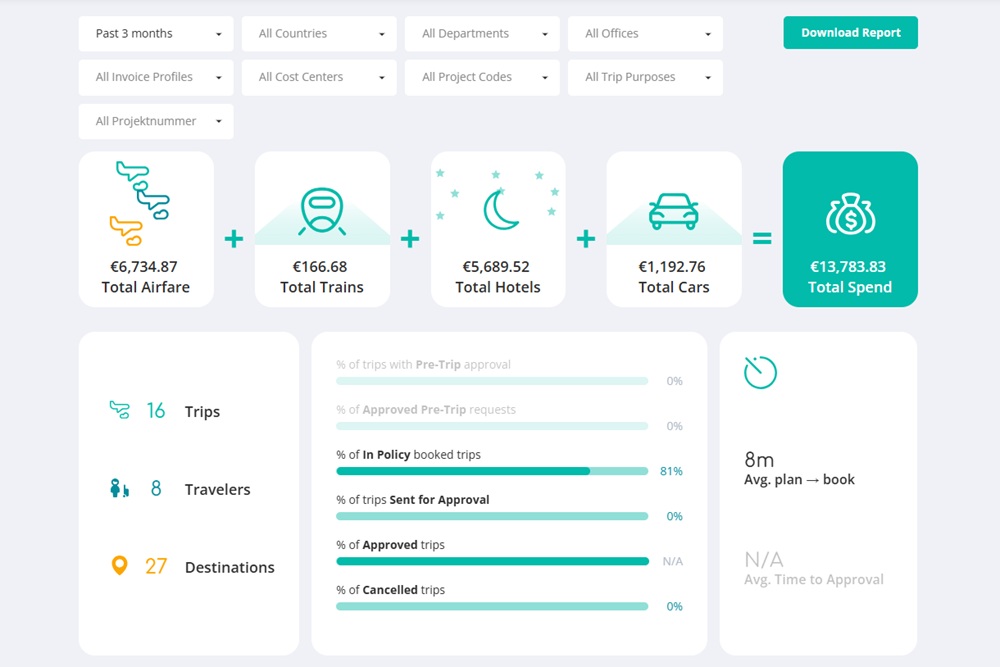
7. Track the right metrics
Make sure you are tracking the right metrics so you can understand the story your data is telling you. With an all-in-one platform like GetGoing, you can use the travel insights to understand metrics like:
- % of trips booked with pre-trip approval
- % of approved pre-trip requests
- % of in-policy booked trips
- % of trips sent for approval
- % of approved trips
- % of cancelled trips
Use reporting & insights to turn data into smarter decisions, improving spend and visibility.
8. Back it with human support
When you work with a platform that is backed by real human support then when plans change, you have a safety net that reduces panic bookings.
Quick wins to reduce last minute bookings
- Add/confirm advance booking rule (14/21 days example)
- Add late booking approval trigger (under 14 days)
- Shorten/time‑box approvals to prevent fare loss
- Turn on policy automation & reporting
- Launch simple traveler internal communications: “Book early = more choice + lower cost”
- Define urgency so that it’s clear the exceptions that can be made (client meeting moved, operational need, disruption, etc.)
Reducing last‑minute bookings leads to cost control and an overall better traveler experience. Review your policy rules, automate enforcement and track savings with reporting and insights.

Don’t have a travel & expense policy yet?
Get actionable insights about how to set up your travel and expense policy + free template included.
FAQ
How far in advance should employees book business travel?
Ideally 14 days for continental trips and 21 days for intercontinental trips.
Should late bookings require approval?
Definitely. For trips booked under‑14‑days, make sure you have an approval trigger set up so you will have closer control and better enforce the travel policy.
How do you reduce last‑minute bookings without upsetting travelers?
Making sure you have a robust travel management platform that automates your travel policy and has real human support available when needed.
What metrics show if a travel policy is working?
It’s important to consider metrics like the percentage of in-policy trips to know if your travel policy is holding up.