

Rail is making a comeback in business travel as companies shift towards making smarter travel decisions rather than automatically booking flights. Travel by train can be cheaper, more comfortable (especially for working) and can massively reduce the carbon footprint. In an age where sustainability reporting becomes a must, it’s no wonder trains are becoming the preferred way to travel for business in Europe.
In this article, we’ll look at the 3 C’s framework: cost, comfort and carbon. The best option of course depends on the route, the distance, the traveler experience and company goals. If cost, the environment and carbon footprint are left aside, oftentimes traveling by plane can be the most practical decision, which is why it’s important to analyze the full panorama.
Why more companies are choosing to travel by train
With the changing business landscape, it’s normal that the below factors are affecting the choice to travel by train instead of plane:
- Sustainability targets
- Rising airport congestion
- Improved European rail infrastructure
- Growth of high-speed rail routes
When rail is a realistic alternative
Rail is often a good alternative for direct European routes.
Examples:
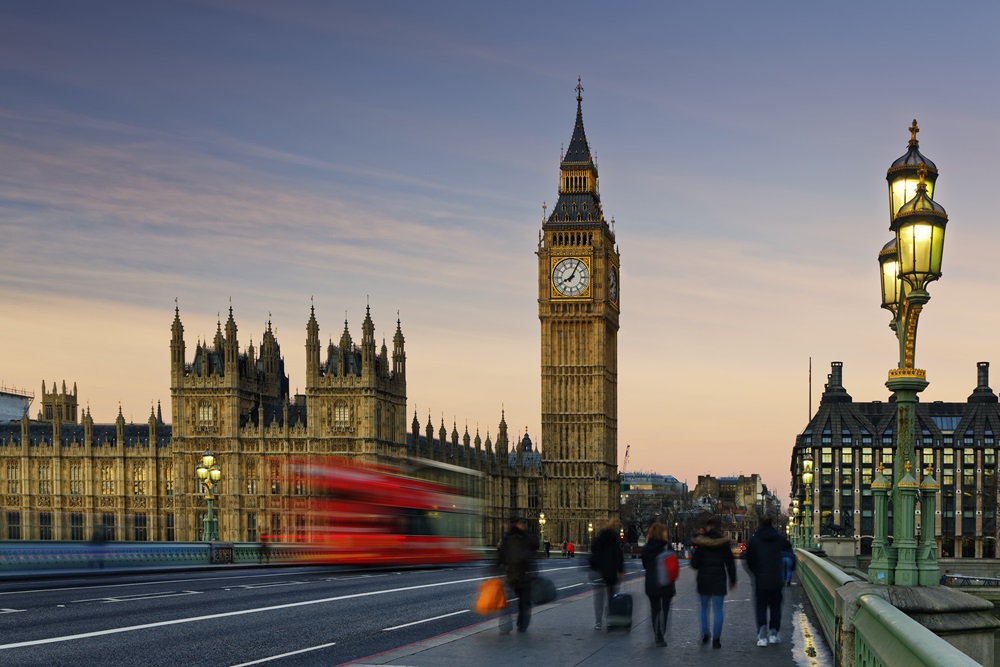
- Paris–London
- Madrid–Barcelona
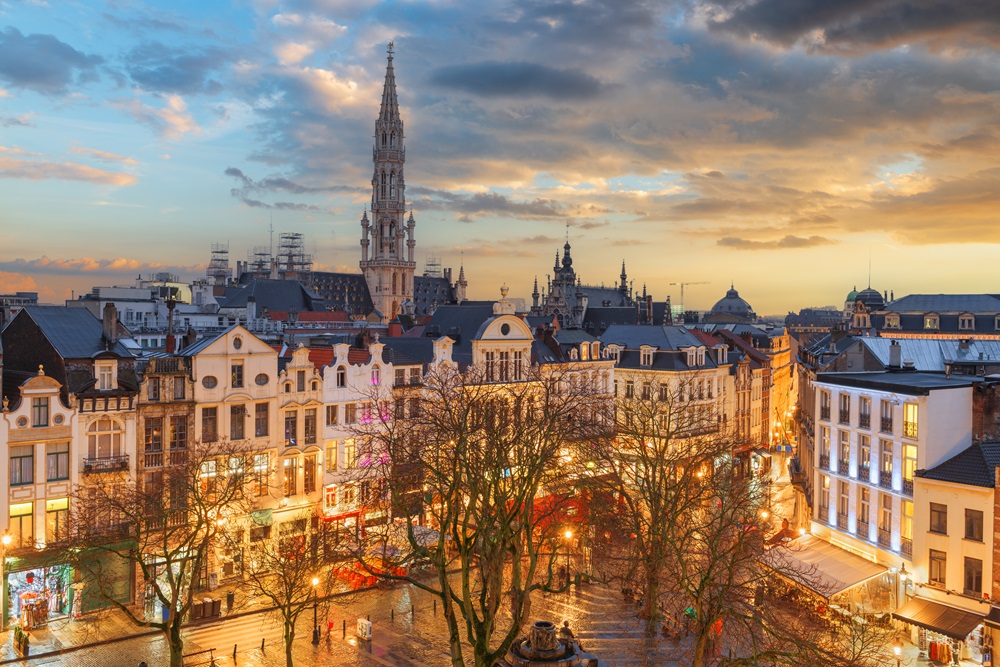
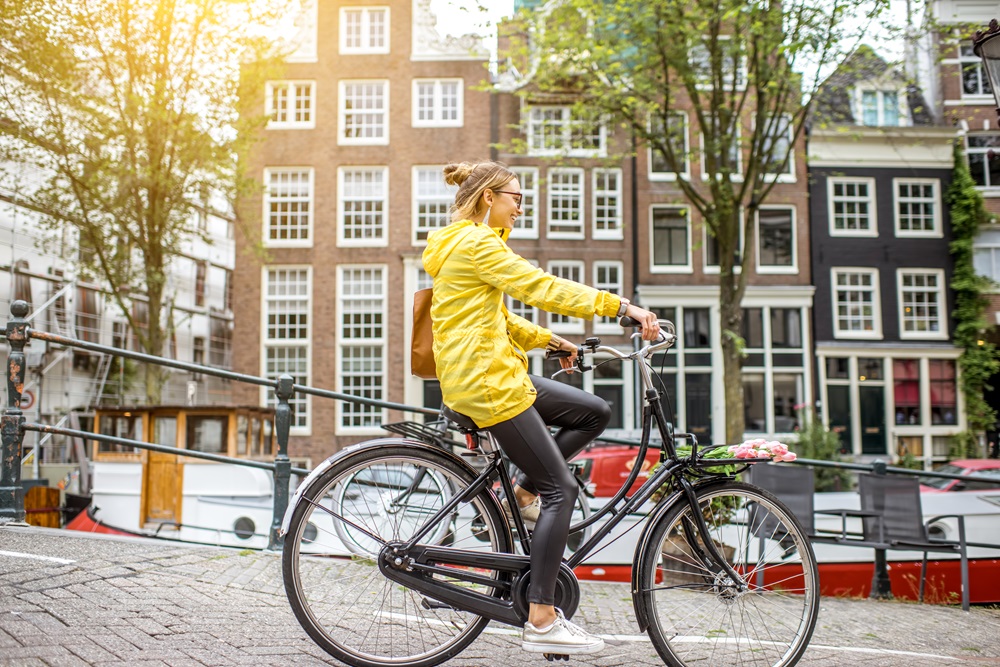
- Brussels–Amsterdam
- Berlin–Munich
Check out our travel guides:

learn more
learn more

learn more

learn more
learn more
C #1: Cost: Rail often delivers better overall value
Cost is a big factor to consider, as rail often delivers better on overall value. The initial cost of a train ticket might be cheaper, but usually train stations are located in the city center, making getting to and from the train station cheaper and more convenient.
Going beyond the ticket price
Many companies compare only flight fare vs train fare, but it’s important to consider the total trip cost includes so much more:
- Airport transfers
- Parking
- Baggage fees
- Meals during long layovers
- Time lost in transit
The hidden costs of air travel
Then there are the hidden costs of air travel to consider, like the time spent getting to and from the airport and lag time while you’re waiting to catch the plane. Plus, there is the fact of arriving early to beat security lines; longer city-center transfers, as well as delays and cancellations.
When rail wins on cost
- Journeys under 4-5 hours
- City-center to city-center routes
- Last-minute trips with limited flight availability
- Connections between major European cities
Quick decision checklist
C #2: Comfort
The productivity factor is often missed by most travel policies, and comfort should actually be one of the first things HR managers have in mind to live up to their duty of care.
Why comfort matters for business travelers
Comfort matters for business travelers because it directly influences productivity, travel wellbeing and trip satisfaction
- Productivity
- Traveler wellbeing
- Trip satisfaction
Comfort supports retention strategies because you can support traveler wellbeing, prevent burnout and drive a positive employee experience, which is crucial when on the road.

C #3: Carbon footprint
Companies increasingly track metrics like travel emissions, ESG goals, and CSRD in reporting is becoming a real metric that European countries must report on. Companies are also looking to sustainable procurement practices, and when it comes to means of travel, no other means for traveling long distance can compare to train travel. For example, To put this into perspective, taking the Eurostar from London to Paris generates a mere 6 kg of CO₂ per traveler, a staggering contrast to the 122 kg emitted by flight. And when considering all the factors, rail has a lower environmental impact, reducing carbon emissions,

What can travel managers do to build a low-carbon travel program
- Prioritize rail for short-haul routes
- Encourage rail-first booking policies
- Display emissions during booking
Putting the 3 C’s together
We’ve looked at the 3 C’s: cost, carbon footprint and comfort. When push comes to shove, train often wins on all these three, but let’s explore a simple framework that can make it easy for business travelers to choose.
Choose rail when:
Choose air when:
The cheapest ticket isn’t always the smartest choice. When evaluating the full picture: cost, comfort, and carbon, travel by train often delivers better business outcomes than flying, especially on Europe’s major business travel corridors.
Find out how the business travel specialists at GetGoing can help you better navigate sustainable travel choices.