

So, you’re traveling for a business trip and you’re not sure where to get started? You’ve come to the right place! Our business travel FAQs lay out the most frequently asked questions, business travel questions in general and some business travel tips.
We’ll walk you through some of the basic questions, finishing up with some of the most important things to consider when traveling for business. Don’t miss this guide to business travel.
Travel Smarter: 5 Essential tips every business traveler should know
Whether you’re on team “I love to travel for business” or team “I rather go to the office”, chances are you’ll have to travel for business, some more frequently than others. That’s why it’s a good idea to have some business travel tips in mind.
Start by consulting your corporate travel policy
Consulting your corporate travel policy before you book your trip is essential, because it will help you understand your company’s rules and procedures better. Plus, it will generally lay out how to book your trip, approval processes, reimbursement processes and what expenses for that matter are reimbursable.
If you book with your company’s designated corporate travel management platform there will most likely be an automated travel policy, which will let you know if your trip is within policy or not, without having to wait to see if it gets approved or not and then having to start from scratch.
Fly nonstop when possible
Non-stop flights are the way forward. Not only are they more convenient, but you also have less chances of delays, of missing your connecting flights or lost baggage. Especially when it comes to long-haul flights, more time in-air and less time on ground ensures you’ll be more rested and even more productive, taking advantage of the lack of distractions to get things done, and prepare for your business meetings.
Charge your devices
Once you arrive at your destination, and while you travel you’ll want to make sure you have all your devices charged so that you can figure out where to go, book your ride or connect with your colleagues to let them know you’ve arrived. You also might want to do some work in the train or bus so making sure your laptop is charged is key.
Use rewards programs
Rewards and frequent flyer programs will help make traveling for business more comfortable. Whether it be seat upgrades, the use of a business lounge, or an upgrade to business class, the more you travel for work, the more these things matter. Normally there are also certain classes of hotels that are permitted in your corporate travel policy, by reserving always with the same chain and joining their rewards program, you can be sure to get added perks that will make business travel more pleasant.
Keep your essentials with you
You may choose to check your bag. If you are traveling for a short period of time it’s always recommendable to travel with a carry-on instead, even if it’s paying a little more to have it up abroad with you, that way you can avoid waiting for your bag, and you can proceed to your destination.
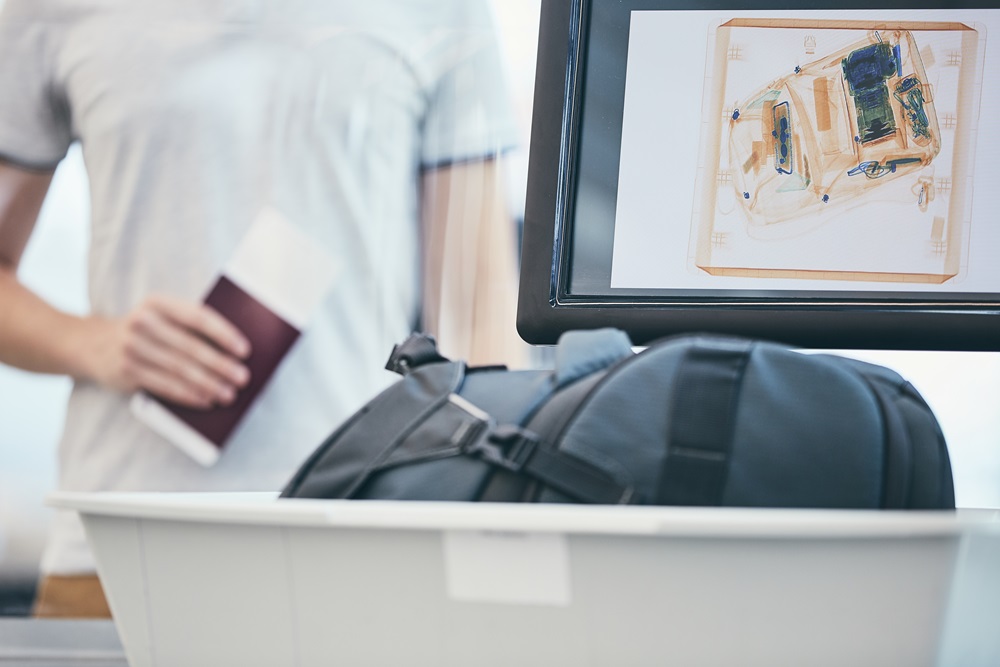
If you pack a bag, be sure to keep essentials like your laptop, phone charger, a change of clothes and underwear, a toothbrush, a hairbrush, and business cards with you. That way if your bag doesn’t make it, you can still comfortably carry on with meetings having everything you need with you.
10 Most popular business travel FAQs
Armed with travel tips in your back pocket, now it’s time to look at the top business travel FAQs.
1. What is a corporate travel policy and why is it necessary to consult it before booking?
A corporate travel policy is the go-to place for business trips. It’s the place you should start before booking a trip because it will have all the information you need about processes, how to book, budget, safety measures, and reimbursement guidelines. Consulting it before booking will help you understand booking guidelines, spend limits and approval processes.

2. What is business travel and how is it different from leisure travel?
Business travel is the act of traveling for business purposes, whether that be for meetings, conferences, or teambuildings. Leisure travel, on the other hand, is for the purpose of vacation, exploration and disconnection.
3. What is considered travel for business purposes?
Travel for business purposes will vary from company to company, but generally it’s travel that is meant to benefit the company. Some common reasons for traveling for business purposes are: to visit clients or prospects, teambuildings, attending conferences or events, or to participate in work-related training. These kinds of trips are reimbursed by the company and are not at the traveler’s expense.
4. What’s the main thing to keep in mind when booking travel for business?
The main thing to keep in mind when booking travel for business is your company’s travel policy.The do’s and don’ts of traveling for business will be included. This way you know how much a night you can spend on a hotel room, whether it can include breakfast, parking, etc. and you can know whether you are allowed to take a business class flight or need to stick to coach.
5. What expenses are covered during your business trip?
We may sound like a broken record, but everything relating to business travel expenses can be found in your company’s travel policy. Generally speaking, transportation, flights, taxis, mileage, accommodation, meals and additional costs are covered. Some companies will have a per diem amount that you can spend per day while other companies will determine how much can be spent on each individual meal and incidental expenses.
6. Are there expense limits for my business trip?
Expense limits are usually set both per day and per type of expense, helping companies to control costs. Generally these limits will vary by destination and company policy.
7. What should I keep in mind when booking accommodations for my business trip?
When booking your accommodations, it’s a good idea to choose hotels that are located close to where your meetings will be held or if you’re attending a conference, choose accommodations near the conference center to avoid spending excessive time traveling back and forth. If you’re visiting an office in another location, check with the local team to see what they recommend or what area is the most convenient.

8. Do I need to keep receipts from my business trip expenses?
Keeping receipts or not will depend on the tools your company uses. With GetGoing travel and expense management app you don’t need to worry about keeping track of your receipts. Digitize your receipts and invoices for transportation, meals, or incidental expenses right from your cellphone, making less paperwork to keep track of for you and your employer.
9. Can I extend my business trip?
With the rise of bleisure travel many companies give their employees the chance to extend their business trips. While the extension of the trip is usually at the expense of employees, you may be able to stay at the same hotel room but changing the payment method. Make sure it’s clear to your company which days are work days and which days will be leisure days. Some companies may even give extra time off due to long hours required during business trips.
10. What do I do if I have a problem when traveling for business?
In your company’s travel policy, there will often be a designated emergency contact. If you work with a travel management platform like GetGoing, you can reach out to our expert travel agents 24/7 who will help you in case of emergency, a canceled flight or any issues with your trip.